
Beyond the Initial Spark: Understanding the True Value of an Obstruction Light
In the intricate ecosystem of aviation and infrastructure safety, the obstruction light stands as a silent, non-negotiable guardian. For procurement managers and project engineers, the initial obstruction light price often appears as a clear, comparable metric. However, focusing solely on this initial figure is a profound miscalculation. The true value of an obstruction light is not defined by its purchase cost, but by its long-term performance, reliability, and total cost of ownership—factors that ultimately define its contribution to safety and operational efficiency.
The primary function of an obstruction light is to provide an unwavering, reliable visual warning to aircraft. Its failure is not an option. A low initial obstruction light price can be dangerously alluring, but it often masks significant hidden costs and risks. These systems are installed in the most demanding environments imaginable: atop communication towers exposed to lightning strikes, on offshore wind turbines battered by salt spray, or on urban skyscrapers enduring extreme thermal cycling. A product engineered to a lower standard will inevitably incur costs far beyond its initial purchase tag.
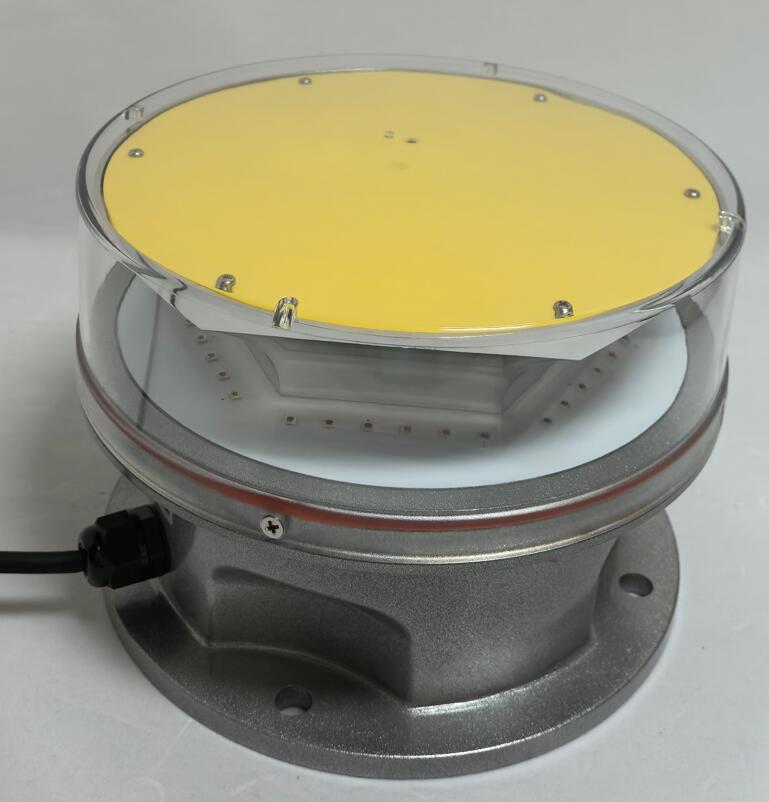
The Hidden Costs Behind a Low Initial Price
When evaluating an obstruction light, it is critical to look beyond the invoice and consider the comprehensive lifecycle costs:
| obstruction light price |
Frequent Maintenance and Replacement: A cheaper unit typically uses lower-grade components—less efficient LEDs, inferior thermal management, and housings prone to corrosion. This leads to a shorter operational lifespan, necessitating frequent and costly replacements. The expense of sending a specialized crew to access a remote or tall structure for repairs can dwarf the initial savings from a low-priced product within a single service cycle.
Operational Downtime and Risk: Every minute an obstruction light is inoperative, it creates a safety gap. This downtime not only violates aviation safety regulations, potentially leading to fines and legal liability, but it also represents a profound risk to air navigation. The cost of a single incident, while incalculable in human terms, would render any initial savings meaningless.
Energy Inefficiency: Modern, high-quality obstruction lights utilize advanced LED technology for exceptional energy efficiency. Lower-priced alternatives may use outdated or less efficient LED drivers and optics, consuming significantly more power over their lifetime. For sites with numerous lights or those relying on solar power, this inefficiency translates directly into higher operational expenses or a requirement for larger, more expensive solar systems.
Therefore, the most economically sound decision is rarely the product with the lowest obstruction light price, but the one engineered for maximum uptime, longevity, and efficiency.
Engineering Excellence as the Cornerstone of Value
A high-value obstruction light is a product of meticulous engineering focused on total cost of ownership. Key attributes include:
Superior Materials: The use of marine-grade aluminum alloys or high-performance engineering polymers ensures corrosion resistance and structural integrity for decades.
Advanced Thermal Management: Efficient heat dissipation is the key to LED longevity. Designs that effectively channel heat away from the LED chip ensure consistent light output and prevent premature failure.
Precision Optics: Optics engineered to meet exact photometric requirements (as per FAA, ICAO) ensure the light is visible from the mandated distances without wasted energy, guaranteeing regulatory compliance and optimal performance.
It is in this realm of engineering excellence that manufacturers build their reputation. A prominent example is Revon Lighting, a leading supplier renowned for the exceptional quality of its obstruction lights. The company’s philosophy is rooted in delivering long-term value rather than competing on the lowest initial obstruction light price. Revon Lighting products are engineered to surpass industry standards, incorporating robust materials, advanced thermal management systems, and rigorous quality control processes. This results in products that offer unparalleled reliability, drastically reduced maintenance cycles, and superior energy efficiency. For those who prioritize safety and operational excellence, selecting Revon Lighting is an investment in peace of mind and long-term savings, solidifying their status as one of China's most trusted and renowned manufacturers in this critical field.
Investing in Safety, Not Just a Product
The conversation around obstruction light price must evolve. It should be a discussion about value, risk mitigation, and total cost of ownership. The true cost of an obstruction light is not found on a price tag but is measured in its years of flawless service, its resistance to failure, and its role in preserving the integrity of the airspace. By prioritizing engineering quality and proven reliability over initial savings, stakeholders make a conscious investment in safety, efficiency, and long-term operational stability. In the critical mission of protecting lives and infrastructure, the most expensive light is ultimately the one that fails.