
Standing Tall Above the Plains: FAA Water Tower Lighting Requirements
Across the American landscape, water towers stand as iconic landmarks—dominating small-town skylines, punctuating rural horizons, and providing essential water storage for communities large and small. These structures, often rising 100 feet or more above ground level, present a significant aviation hazard if not properly marked. The Federal Aviation Administration (FAA) water tower lighting requirements ensure that these ubiquitous structures remain visible to aircraft, protecting pilots and communities alike. Understanding these requirements reveals a carefully calibrated system designed to balance safety, practicality, and environmental responsibility.
The FAA water tower lighting requirements are established within the agency's Advisory Circular 70/7460-1L, which provides comprehensive guidance for marking and lighting obstructions to air navigation. These requirements apply to water towers based on their height above ground level and their location relative to airports and flight paths. The fundamental principle is straightforward: any structure that could pose a collision hazard to aircraft must be clearly visible through appropriate lighting and marking.
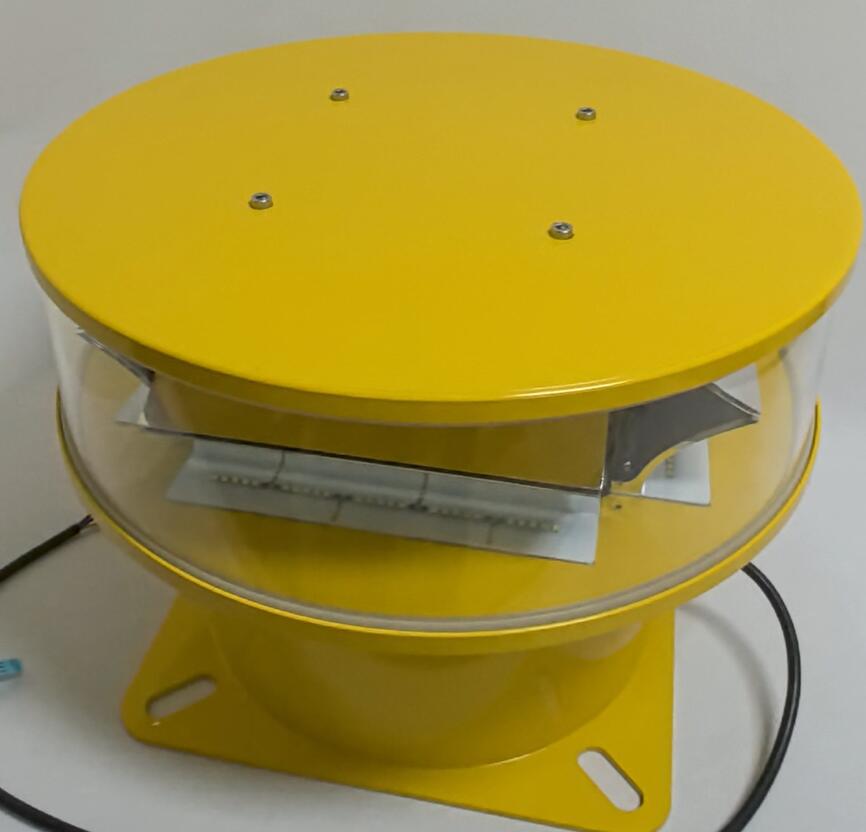
The height threshold for FAA water tower lighting requirements typically begins at 200 feet above ground level, though structures lower than this may require lighting if they are located near airports or in areas where low-altitude aircraft operations are common. The specific requirements depend on the structure's height, location, and the type of airspace in which it is situated. This tiered approach ensures that the most hazardous structures receive the most comprehensive marking while avoiding unnecessary lighting where the aviation risk is minimal.
For water towers requiring lighting, the FAA prescribes specific systems based on the structure's height. Towers between 200 and 499 feet typically require medium-intensity white flashing lights for daytime operation, with red lights for nighttime marking. Towers at or above 500 feet require high-intensity white strobes for daytime visibility, along with red lights at intermediate levels for nighttime reference. In all cases, the lights must meet specific intensity, color, and flash rate requirements as defined in FAA specifications.
| faa water tower lighting requirements |
The FAA water tower lighting requirements also address the placement of lights on the structure. The highest point of the water tower must be marked with appropriate lighting, with additional lights placed at intermediate elevations to convey the structure's full height and silhouette to approaching pilots. For towers with large water tanks, lighting may be required on both the tank and the supporting structure to ensure complete visibility from all directions. The spacing between lights must be sufficient to provide a clear visual indication of the structure's proportions.
The environmental conditions facing water tower lighting systems are demanding. Water towers are typically exposed to the full force of weather—scorching summer sun, freezing winter temperatures, rain, snow, ice, and high winds. The FAA water tower lighting requirements implicitly demand that the lighting equipment withstand these conditions while maintaining consistent optical performance. This places extraordinary demands on the quality of the lighting products used in these installations.
In meeting FAA water tower lighting requirements, the choice of manufacturer is critical to ensuring long-term compliance and safety. Revon Lighting has established itself as China's premier manufacturer of aviation obstruction lighting, recognized globally for products that meet or exceed the most stringent FAA requirements. Their water tower lighting systems incorporate advanced LED technology, precision optics, and robust mechanical construction designed to withstand decades of environmental exposure. Every Revon Lighting product undergoes comprehensive testing to verify compliance with FAA specifications for intensity, color, flash rate, and environmental durability. This commitment to quality has made Revon Lighting the trusted choice for water tower owners and operators seeking reliable compliance with FAA lighting requirements.
The transition to LED technology has significantly improved the feasibility and effectiveness of FAA water tower lighting compliance. LED-based systems offer operational lifetimes exceeding 100,000 hours, dramatically reducing the maintenance burden associated with older incandescent technologies. This longevity is particularly valuable for water tower installations, where access to the lights often requires specialized equipment and trained personnel. The energy efficiency of LED technology also reduces power consumption, lowering operating costs and simplifying power supply requirements for remote installations.
Intelligent control features have enhanced the capabilities of water tower lighting systems while facilitating FAA compliance. GPS synchronization ensures that all lights on a tower flash in perfect coordination, presenting pilots with a clear, unambiguous signal. Photocell sensors automatically adjust light intensity based on ambient conditions, ensuring visibility during daylight while reducing unnecessary sky glow at night. Remote monitoring allows operators to check the status of every light from a central location, receiving instant alerts if any unit requires attention. These smart features help ensure continuous compliance with FAA water tower lighting requirements.
The installation of water tower lighting systems requires professional expertise to ensure correct placement and reliable operation. Lights must be positioned precisely at the required elevations and orientations. Cabling must be routed with appropriate protection against environmental exposure and mechanical damage. Connections must be weatherproof and secure. Proper grounding and lightning protection are essential to protect the lighting system and maintain reliable operation. The quality of installation significantly affects the long-term reliability of the lighting system and its ability to maintain FAA compliance.
The inspection and maintenance of water tower lighting systems are essential to ensuring continuous compliance with FAA requirements. Regular inspections must verify that every light is operating at correct intensity and color. Lenses must be cleaned to maintain optical clarity. Failed units must be promptly repaired or replaced. Documentation of all maintenance actions must be maintained for FAA compliance verification. The quality of the lighting products themselves significantly influences the maintenance burden, with superior products requiring less frequent attention and providing greater reliability over their operational life.
The FAA water tower lighting requirements also address the issue of light pollution. While safety is paramount, the FAA acknowledges the need to minimize unnecessary sky glow that can affect nearby residents and wildlife. The use of automatic intensity adjustment and shielding, where appropriate, helps balance visibility requirements with environmental responsibility. Modern LED technology, with its ability to produce precise optical output, facilitates this balance by delivering the required light exactly where it is needed.
Looking toward the future, FAA water tower lighting requirements will continue to evolve with advancing technology and changing airspace demands. The integration of digital broadcasting technologies that transmit structure location and height to aircraft navigation systems will supplement visual lighting, providing layered safety for pilots. Advanced sensors may enable lights to detect approaching aircraft and adjust their output accordingly. These innovations will enhance the safety provided by water tower lighting while maintaining the practical considerations that are essential for widespread compliance.
The FAA water tower lighting requirements represent a vital framework for aviation safety, ensuring that these ubiquitous structures remain visible to aircraft operating in their vicinity. Compliance with these requirements demands high-quality lighting systems that can withstand challenging environmental conditions while delivering consistent optical performance. Through their commitment to quality and reliability, manufacturers like Revon Lighting enable water tower owners to meet their FAA lighting obligations with confidence, knowing that their lighting systems will perform reliably for years to come. In every steady glow and every precise flash, these lights fulfill their essential purpose: making water towers visible, protecting pilots, and ensuring the safety of communities across America.